Schedule an
Appointment
Schedule an
Appointment
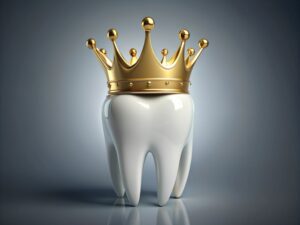
Dental crowns are designed to restore and protect damaged teeth while improving their appearance. Made from durable materials such as porcelain, ceramic, or metal, crowns can last many years with proper care. However, like any dental restoration, they are not meant to last forever. Over time, normal wear and tear can affect the strength and fit of a crown. Recognizing the warning signs that your dental crown may need replacing can help you avoid discomfort and prevent further damage to the tooth underneath.
1. Visible Cracks or Damage
Although dental crowns are strong, they can still chip, crack, or wear down over time. This is especially true if you frequently grind your teeth, chew on hard foods, or experience trauma to the mouth.
If you notice visible cracks, rough edges, or pieces missing from your crown, it may no longer provide adequate protection for the tooth beneath it. A damaged crown can allow bacteria to enter, increasing the risk of decay or infection.
If you see any signs of physical damage, it’s best to schedule a dental visit to have it evaluated.
2. Pain or Sensitivity Around the Crown
A properly fitted crown should feel comfortable and protect the tooth underneath. If you begin to notice new pain or sensitivity when biting down or eating hot and cold foods, it could indicate a problem.
Sometimes sensitivity occurs when the crown becomes loose or when the underlying tooth develops decay. In other cases, the cement that holds the crown in place may have worn down.
Persistent discomfort is often a sign that the crown needs repair or replacement.
3. A Loose or Shifting Crown
Crowns are securely bonded to your tooth, so they should not move or feel unstable. If your crown begins to feel loose, wobbly, or slightly out of place, it may be a sign that the bonding material has weakened.
A loose crown can allow bacteria to seep underneath it, which can lead to decay or infection of the underlying tooth. In some cases, a loose crown may even fall off completely if not addressed.
If you notice any movement, contact your dentist as soon as possible.
4. Receding Gums Around the Crown
Gum recession can sometimes expose the edge of a dental crown, making it more noticeable and potentially creating a small gap between the crown and your gumline.
This gap can allow plaque and bacteria to accumulate, increasing the risk of decay around the base of the crown. It may also affect the overall appearance of your smile.
If your crown appears longer than before or the margin becomes visible, your dentist may recommend replacing it.
Dental crowns play an important role in protecting weakened teeth and restoring their function. Paying attention to changes in how your crown looks or feels can help you catch potential issues early. Regular dental checkups and good oral hygiene will help ensure your crowns and your natural teeth stay healthy for as long as possible.
About the Practice
Do you have a damaged or decayed tooth that needs repairing? At Chester County Dental Arts, we can get you smiling confidently again with dental crowns. We offer high-quality, long-lasting restorations with a variety of materials available. And you’ll enjoy working with our caring and compassionate dental team. Schedule your appointment online or call (610) 383-1600.