
Invisalign Thorndale
Discreet, Comfortable, and Designed Just For You
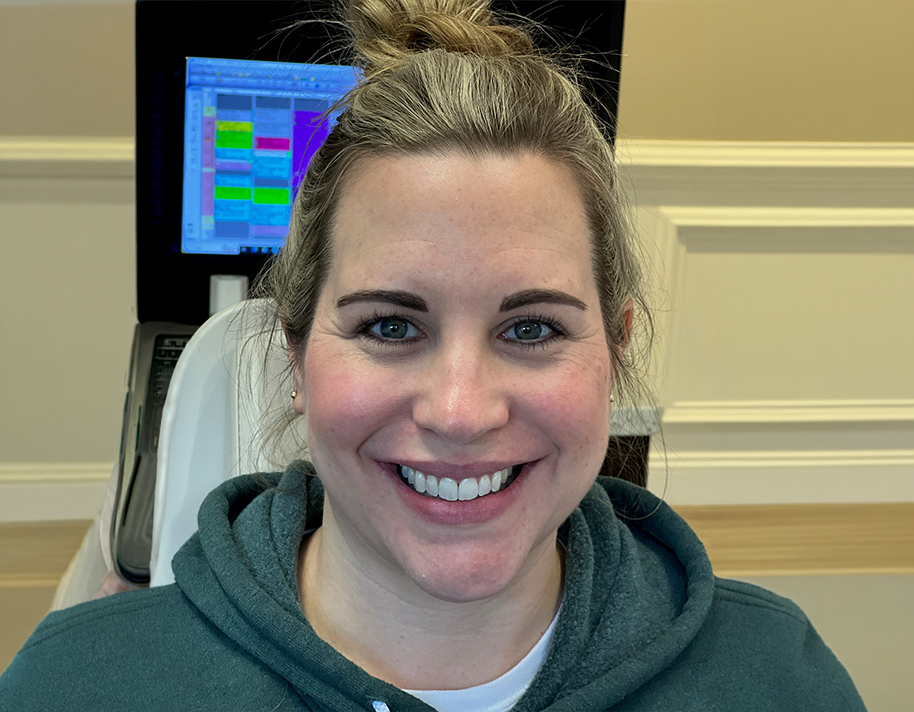
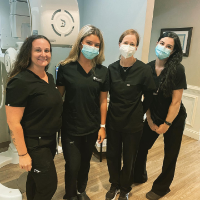
Dr. Mark Simeone and Dr. Ronni Bruck, our in-house orthodontist, collectively bring 30+ years of orthodontic experience to Thorndale and the surrounding communities. Having both providers under one roof allows for collaboration and more availability to be seen. This expert approach to Invisalign in Thorndale from Chester County Dental Arts will give you a predictable outcome you can be proud of for a lifetime.

Dr. Ronni Bruck brings more than 15 years of orthodontic experience to Chester County Dental Arts, providing personalized orthodontic care for children, teens and adults.
Why Choose Chester County Dental Arts for Invisalign?
- 5-Star Rated Orthodontics in Thorndale
- Custom Designed Using the Latest Technology
- Conveniently Close for Sadsburyville & Coatesville
How Does Invisalign Work?
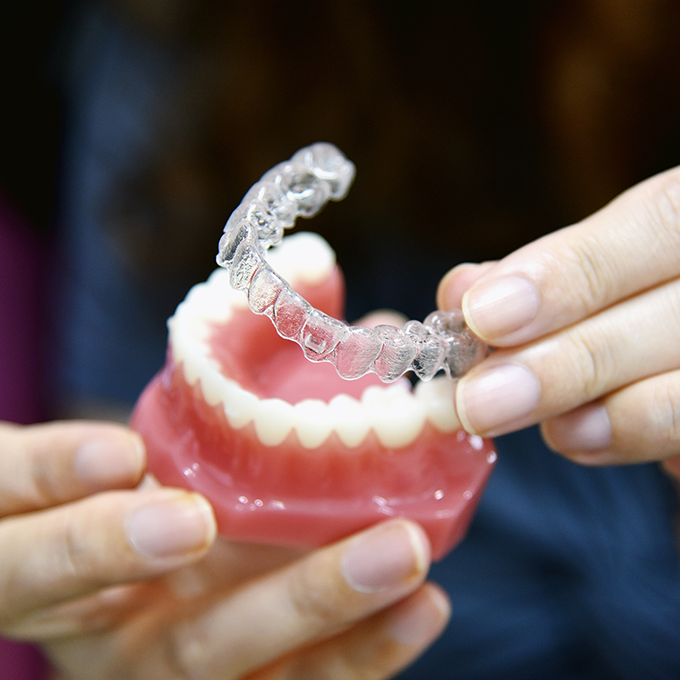
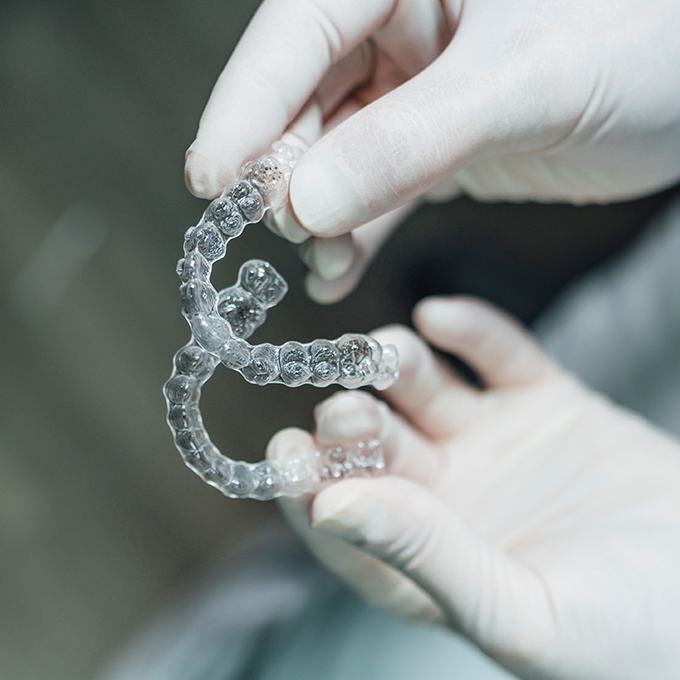
Traditional braces use brackets attached to the fronts of teeth and wires attached to the brackets to place pressure on the teeth, shifting them into their ideal alignment. Instead of brackets and wires, the Invisalign process uses a series of clear alignment trays to shift teeth over the course of about a year.
Each set of aligners in the series represents the positioning of the teeth one step closer to the desired result. Patients will wear these aligners for about two weeks at a time before exchanging them for the next set in the series. The process continues for about twelve months until patients have the flawless, perfectly aligned smiles of their dreams.
Benefits of Invisalign
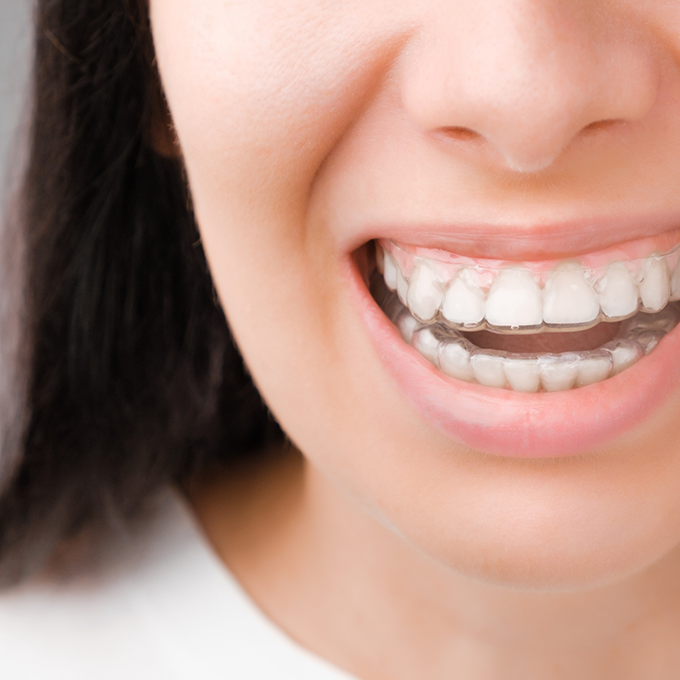
There are many benefits associated with Invisalign. The plastic aligners are completely clear, meaning most casual observers won’t realize you’re wearing them. They’re removable as well, which allows patients to maintain their current diet and oral hygiene routine without interruption. While traditional orthodontics typically require multiple years to be fully effective, Invisalign treatment is usually finished in just 8-18 months.
Invisalign offers an array of benefits that cannot be matched by other orthodontic solutions. When attempting to compare these clear aligners to traditional bracket and wire systems, you’ll find:
- Invisalign delivers results in about one year
- It is far more discreet than traditional metal braces, which tend to shine a spotlight on your orthodontic work
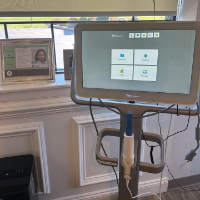
- Invisalign allows for mess-free digital impressions using the iTero intraoral scanner
- Your dentist in Thorndale is a proud Invisalign Gold Plus provider, so you can trust the work you’ll receive will be top-of-the-line
- Invisalign offers greater flexibility, allowing you to remove your trays to eat, drink, and clean your teeth
- It will not irritate your soft oral tissues like regular metal brackets and wires
Who Can Invisalign Help?
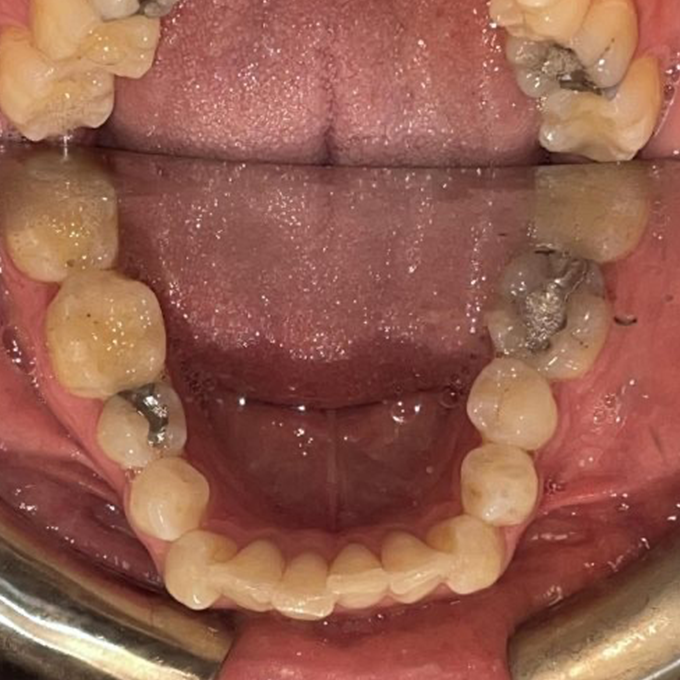
In addition to being clear and comfortable, Invisalign aligners are highly versatile and capable of treating all types of dental problems. So, if you are interested in pursuing your dream smile without the metal, don’t hesitate to schedule an appointment at our Thorndale dental office! In the meantime, you can read on to learn a few of the orthodontic issues Invisalign can correct.
Crowded Teeth
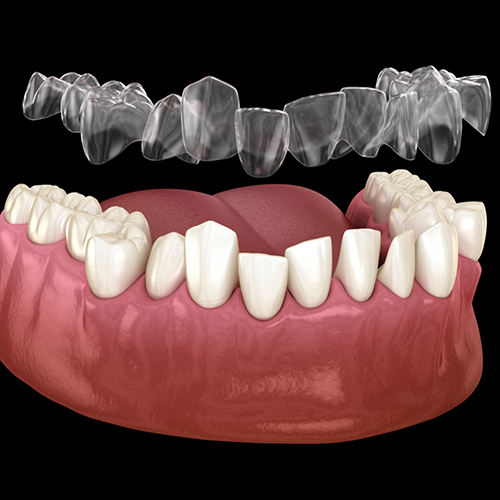
Wondering if Invisalign can fix crowded teeth? If so, you’ll be happy to hear that Invisalign can create space where it currently does not exist. This is important because, when teeth sit too closely together, it is much harder to brush and floss effectively (which opens a door to tooth decay and gum disease). With a custom series of clear aligners, we can shift your teeth into their ideal positions, allowing for appropriate space to be created for better oral health.
Gaps Between Teeth
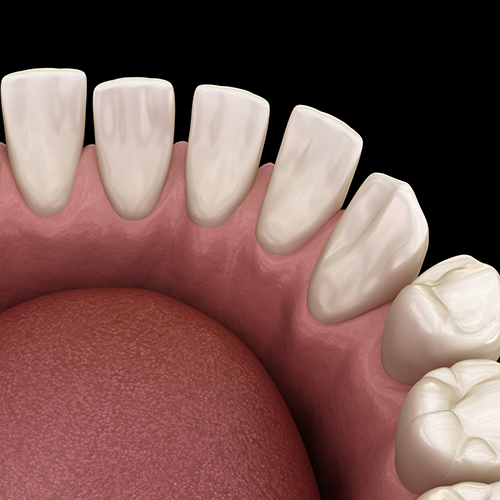
Another significant orthodontic problem is having too much space between teeth. There is a simple reason for this: when gaps form, you’ll notice more food particles become trapped. If left untreated, your tooth enamel can wear down from harmful acids attacking the outermost layer. With Invisalign, your teeth will move closer together to not only create a more beautiful aesthetic but also a healthier smile. All without any noticeable brackets and uncomfortable wires, too!
Overbite
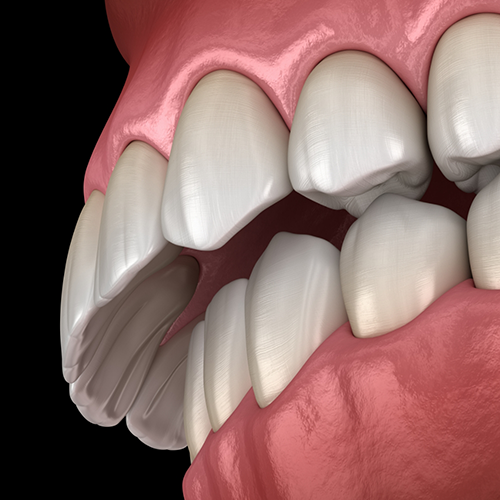
Do your upper teeth stick out beyond the lower ones more than they should? If so, then you know firsthand just how difficult overbites make it to chew, enunciate, and smile with confidence. Fortunately, clear aligners are often up for the task! If we determine that you’re a good candidate, then we will create a custom series of trays and use them to gently guide your teeth and bite into proper alignment.
Underbite
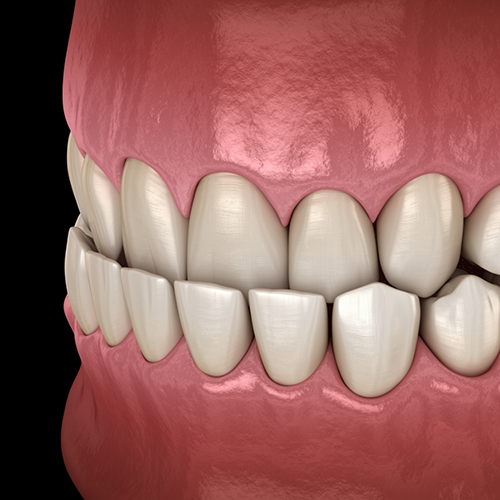
Chronic jaw pain and worn tooth enamel are two potential problems when living with an underbite. Whether your case is relatively mild or more moderate, we have good news: you may be a candidate for Invisalign. If that’s the case, then we can use the clear aligners to redirect the positioning of your teeth to move into better alignment, allowing your upper and lower arches to work together functionally in the process.
Crossbite
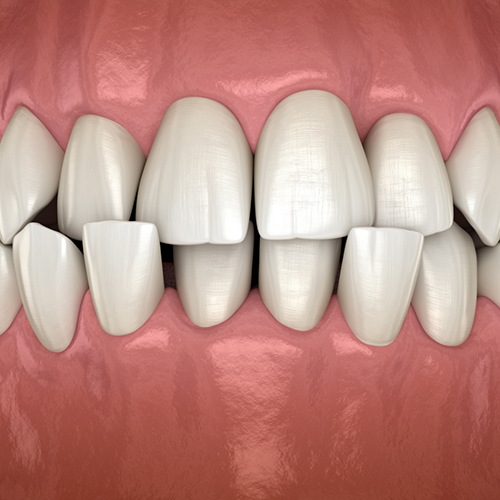
Crossbites occur when some of the upper teeth sit behind the lower ones. If you think you may be struggling with this orthodontic problem, don’t hesitate to schedule a consultation with us. In fact, we recommend doing so sooner rather than later since it can negatively impact the appearance of your smile as well as your oral health and chewing patterns.
Open Bite
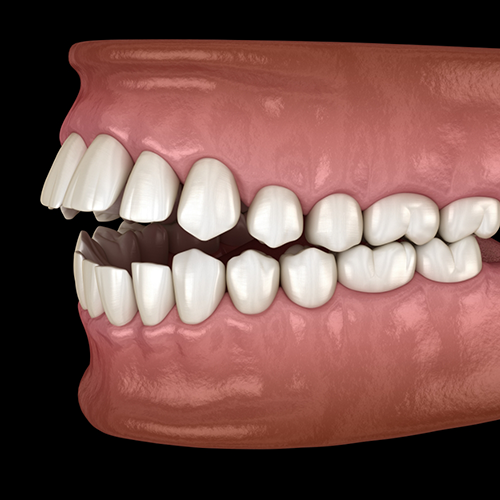
If you can’t bite down all the way because there is a space between your upper and lower teeth, then you likely have an open bite. Like the other orthodontic problems on this list, there are several reasons to have it corrected, including the fact that it increases your risk of dental damage. Thanks to Invisalign, the treatment process is now considerably more discreet, comfortable, and convenient, too!
Invisalign Teen
You’ve probably heard of Invisalign, whether it was on a TV commercial, a sign in your dental office, or elsewhere. It is often advertised as an orthodontic solution for busy adults who want to achieve a straighter smile without the disadvantages of metal braces. But did you know that teenagers can also benefit from Invisalign? There are many similarities and a few differences between regular Invisalign and Invisalign Teen from our Coatesville dentist and orthodontist.
Invisalign and Invisalign Teen: The Similarities
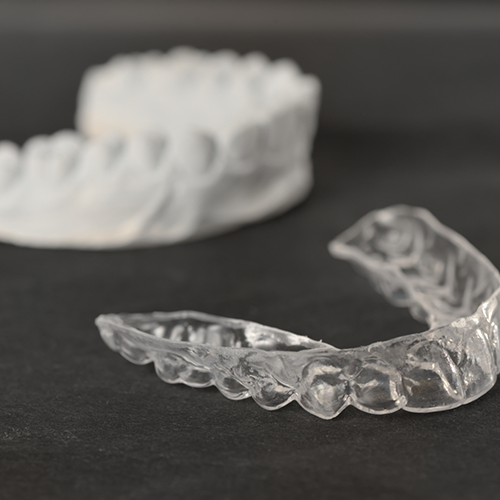
Both Invisalign and Invisalign Teen use a series of custom, clear thermoplastic aligners that gently reposition teeth over time. They’re able to correct several orthodontic problems, including crowding, wide spacing, crossbite, overbite, and underbite. Both systems offer many outstanding benefits:
- The aligners are discreet, making it possible for wearers to enjoy an unobstructed smile
- The aligners are removable so it is easy to maintain excellent oral hygiene
- There are no dietary restrictions
- Treatment time is faster than that of traditional braces
- The price is comparable to that of traditional braces
- Routine appointments with the dentist throughout the treatment process take just a few minutes
Teenagers’ Mouths Are Still Developing
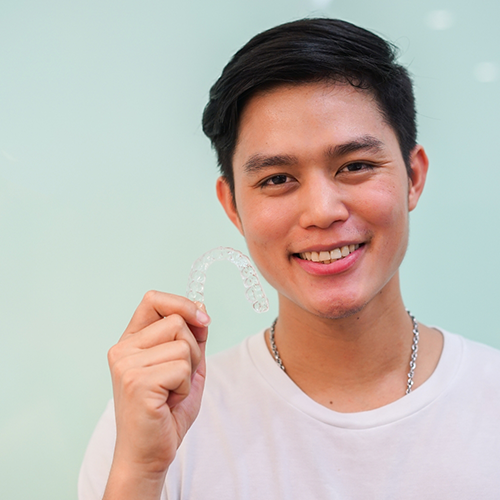
Most people’s mouths aren’t fully developed until they’re in their late teens or even their early 20s. Therefore, Invisalign Teen has to account for the changes that are still taking place in adolescents’ mouths. That’s why aligners for teenagers allow space for new teeth, particularly the molars, to continue to develop and grow in. Invisalign Teen also has power ridges that can move the roots of growing teeth, helping those teeth to erupt in the correct place. It’s often possible to prevent misalignment problems with these teeth even before they begin.
Of course, no one should begin Invisalign treatment before their mouth is ready. This treatment is not a Phase One procedure (Phase One orthodontics is a special treatment for children who don’t have all their permanent teeth yet). Therefore, teenagers should wait to start Invisalign until their second molars have erupted. In most cases, this happens around the age of 13. Any time after that may be the right time for teens to start Invisalign and get on the path to a straighter, healthier smile.
Compliance Dots Help Dentists and Parents
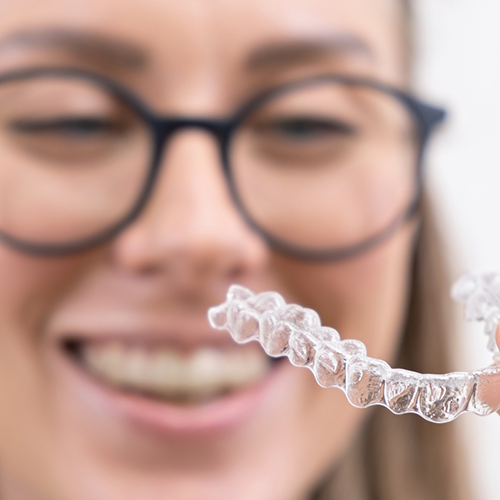
Some teenagers are very responsible and conscientious individuals who diligently do their best to wear their Invisalign aligners for the recommended 20 – 22 hours per day. Others are still working on their self-discipline and might need some extra encouragement to keep pace with their treatment.
Invisalign Teen features compliance dots on the aligners. As a parent, you can simply glance at the dot and discover whether your teen has been wearing it enough for it to effectively do its job. If you discover a problem, you and/or the orthodontist can talk to your teen about it and hopefully get the issue corrected before they end up jeopardizing the long-term success of their treatment.
Of course, you know your teenager, and if you suspect they might not be compliant with their treatment from the start, you might want to look into getting traditional braces for them instead.
Replacement Aligners for Those “Oops!” Moments

Each Invisalign aligner is specifically designed to get teeth a little closer to their ideal positions. However, sometimes an incident may occur that damages an aligner so it is no longer wearable. For example, someone might forget to remove their aligner when they’re sipping a hot beverage and accidentally warp their Invisalign tray.
If something similar happens to your teenager, there is no need to panic or despair. Invisalign Teen comes with up to six complimentary replacement aligners, so if there is an incident, all you have to do is get in touch with the orthodontist, who will be able to help get the treatment back on track in no time.
Tips for Teenagers With Invisalign
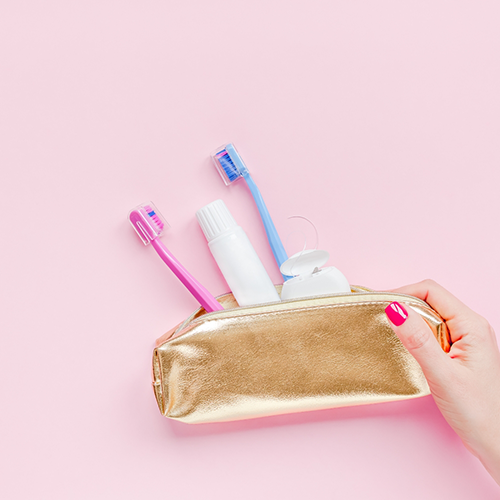
If you are a teen who is about to start Invisalign treatment, you have a lot to look forward to! Here are some tips to help your treatment go as smoothly as possible:
- Keep an oral hygiene kit (with a toothbrush, toothpaste, and floss) in your backpack so you always have it with you at school. You’ll have to give your smile and your aligner a quick cleaning after every meal.
- Communicate with your parents and orthodontist. If you run into any problems – for example, if an aligner causes you abnormal pain – be sure to let someone know. Sometimes an aligner needs to be adjusted slightly so it’s as comfortable as possible.
- Remember that Invisalign isn’t the same thing as a mouthguard. If you play sports, remove Invisalign during practice and wear a sports guard instead so you can protect your teeth against damage.
- Practicing speaking. When you first start wearing Invisalign, you might notice that it’s a bit more difficult for you to speak clearly. You should get over this fairly quickly if you keep your aligner in your mouth and practice talking or reading out loud.
- Wear your retainer. After you finish with Invisalign, you’ll have to wear a retainer for several months (or perhaps a few years) so your teeth don’t drift back out of place.
Getting Started with Invisalign Teen

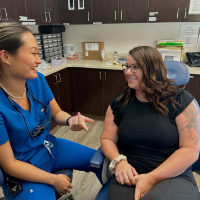
If you are a parent who is interested in getting Invisalign for your teenager, please don’t hesitate to contact us to schedule a consultation. During the appointment, we will examine your adolescent’s mouth and take some images to become familiar with the orthodontic issues that need to be corrected. We’ll also talk to you and your teen about the responsibilities and rewards that come with Invisalign. Together, we’ll decide on a treatment plan that will get your son’s or daughter’s smile on the path to optimal health and beauty.
Invisalign Teen is a remarkable treatment that lets young people attain a straighter smile without the social stigma of traditional braces. We look forward to helping your family benefit from this innovative system!
Understanding the Cost of Invisalign
No two patients can expect to pay the same price for Invisalign. There are many factors our team must consider before establishing a clear estimate. But as an Invisalign Gold Plus provider, you can rest assured that the care you receive will be well worth the investment. Not to mention, your dental insurance company may provide only partial coverage for this type of treatment. That’s why we partner with CareCredit to ensure your care is accessible and affordable. We strive to make this process as simple as possible so you can get started right away!
Living with Invisalign Aligners
Invisalign offers patients a more flexible lifestyle – one that is far more enjoyable and comfortable than other forms of orthodontic treatment. Busy professionals, self-conscious teenagers, and bustling parents appreciate its more personalized process and ability to engage in daily life without compromising one’s appearance or obligations. If you are considering Invisalign to straighten your teeth, find out how you can approach each day knowing you’re one step closer to a healthier, beautifully aligned smile.
Wearing Your Trays
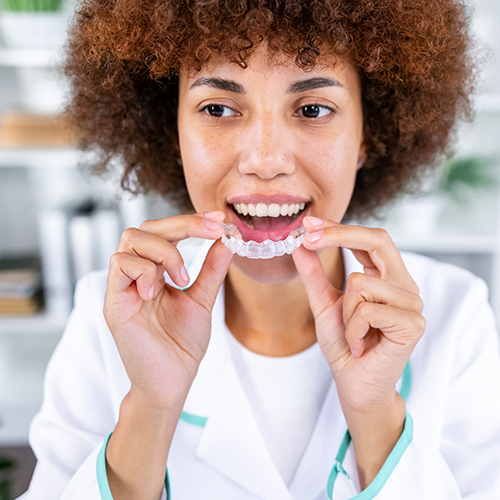
Invisalign trays are not bonded to teeth like metal brackets and wires. This easy-to-remove orthodontic solution is a considerable benefit for many patients; however, it does require greater responsibility. These aligners must be worn 20-22 hours a day if teeth are to move on schedule. They should only be taken out when eating, drinking (anything but water), and when it’s time for cleaning.
Cleaning Your Aligners
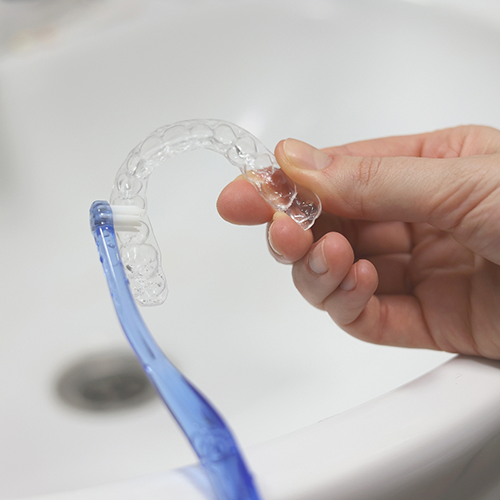
It’s easy for bacteria and other harmful particles to attach to aligners throughout the day. Without proper cleaning, teeth can remain vulnerable to decay. Cleaning these aligners with lukewarm water and a soft-bristled toothbrush in the morning and at night, as well as rinsing them off before reinserting them after mealtime, will keep the trays in the best possible condition. Invisalign cleaning crystals can also be used for an even more thorough cleaning.
Eating & Drinking

Since clear aligners are not meant to be worn while eating, patients can enjoy virtually no food restrictions while undergoing Invisalign treatment. The reason they must be taken out beforehand is that the pressure placed on the aligners while biting and chewing can wear down the clear plastic, resulting in damage and the need for a replacement. Once mealtime is over, the trays can be rinsed and reinserted for continuous wear.
Losing or Damaging a Tray
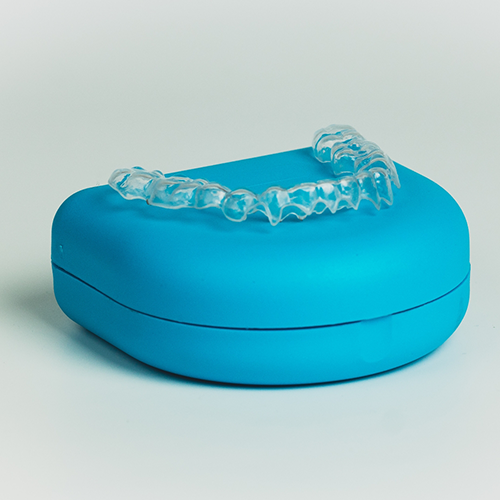
Investing in one or more protective cases is worthwhile while wearing Invisalign. Patients who keep one nearby can lower the risk of accidentally throwing their trays away, sitting on them, or forgetting where they were last located. If one or both aligners break, we recommend that patients call our office to inquire about the next steps. Depending on the timeframe, it may be suggested that the individual move ahead to the next set or have new ones created while wearing the previous set of aligners.
Routine Check-Ins
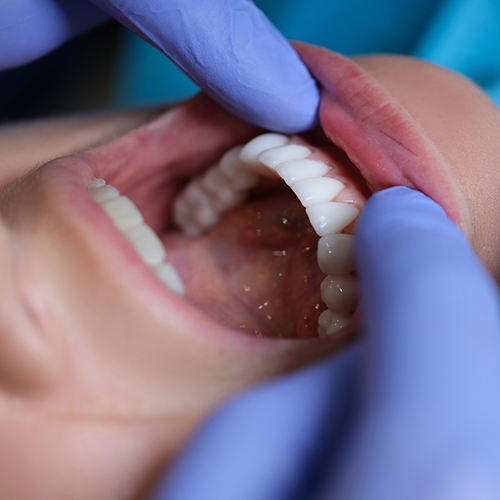
Wearing Invisalign requires regular check-ins with our Chester County Dental Arts team. These visits are unlike those associated with traditional braces, as there is no wire to tighten or change. Instead, we will examine a patient’s progress and determine if any adjustments are necessary to keep teeth moving in the right direction and at the right speed.
Invisalign FAQs
Can You Eat with Invisalign?
With other orthodontic treatments, you need to remove certain foods from your diet (i.e., whole apples, raw nuts, tortilla chips). The good news is that there aren’t any dietary restrictions with Invisalign! There are really only two things you need to keep in mind. First, you must remove your trays before eating or drinking anything other than water. Second, don’t over-indulge on added sugar since this can result in an oral health problem that brings your teeth-straightening journey to a temporary stop.
How Long Does Invisalign Take?
The average treatment timeline with Invisalign is 12 to 18 months. Of course, that doesn’t necessarily mean that’s how long it will take for you to work through the series of clear aligners. Your treatment plan will depend on a few key factors, including the complexity of your case, how many trays are needed, if your teeth move as anticipated, and how well you follow the guidelines.
Important note: Moving onto each new set of aligners early will not speed up the process. Quite the opposite: it can result in considerable delays and possibly even the need for an entirely new treatment plan. To see your results as quickly as possible, it’s best to follow all of the “rules,” like wearing your aligners for 22 hours a day and prioritizing your check-in visits.
What if My Invisalign Broke?
Whether there is a hairline crack or your trays have completely split down the middle, do your best not to panic. It’s also important that you don’t attempt to remedy the situation by using a household adhesive, like superglue. Instead, give us a call so we can determine if it’s safe to move on to the next set of aligners in the series or if you should wear your previous pair while a replacement is made.
Does Invisalign Hurt?
It’s common for patients to hesitate to move forward with Invisalign because they are worried that the teeth-straightening process will hurt. Although some soreness is to be expected, most patients don’t describe it as painful, especially since there aren’t any metal brackets or wires. Plus, there are several easy ways you can alleviate any discomfort that does arise, including sticking to soft foods, using a cold compress, sipping on cool water, and taking an OTC pain reliever as directed.