
Traditional Braces Thorndale
The Home of Your Neighborhood Orthodontic Expert
Thanks to our in-house orthodontist, Thorndale families can get complete orthodontic care at the same place they receive their routine checkups and cleanings. Over the years, Dr. Ronni Bruck has helped countless children, teens, and adults achieve straight, healthy, and attractive smiles using tried-and-true metal braces, all while ensuring a comfortable and smooth experience for each patient.
Why Choose Chester County Dental Arts for Traditional Braces?
- Award-Winning Care From In-House Orthodontist
- 5-Star Rated Orthodontist in Thorndale
- Conveniently Close for Sadsburyville & Coatesville
How Do Traditional Braces Work?
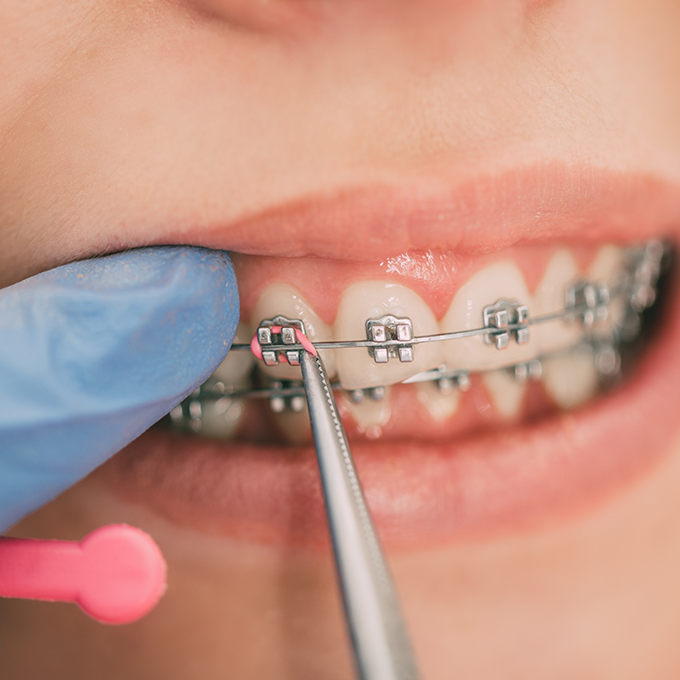
Misaligned teeth can cause a range of oral health problems, and they may affect your facial aesthetics as well. Traditional braces aim to correct such issues via the use of a system of brackets and wires.
The brackets and wires are placed on the teeth, and small adjustments are made every 6 – 8 weeks or so in order to reposition the teeth. On average, treatment takes 18 – 36 months to complete; however, that time varies from person to person. After your braces are removed, you will need to wear a retainer to prevent your teeth from moving back into their previous places.
What Orthodontic Issues Can Braces Fix?
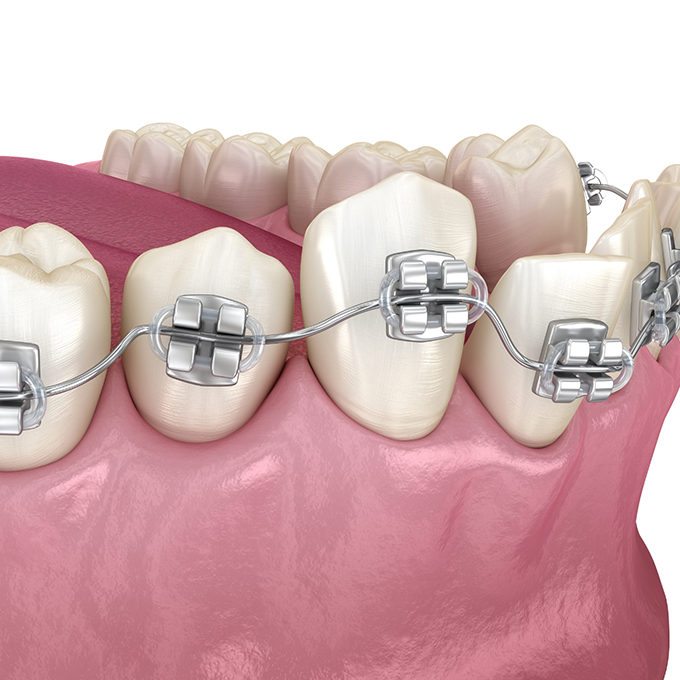
No matter if you have gapped, rotated, tilted, or overcrowded teeth, metal braces can offer a solution. They may even be able to align your bite to improve your oral function. During your consultation, our team will confirm that braces are a good fit for you before we get to work on your custom treatment plan.
Bite Misalignment
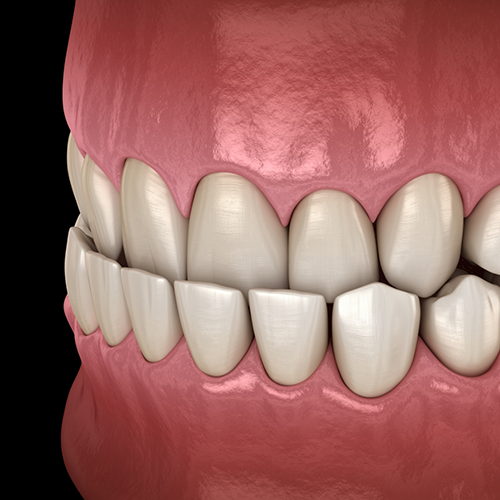
Overbite, underbite, crossbite, and open bite are all common forms of malocclusions (bad bites). Braces can reposition your teeth, and with the help of accessories, they can also train your lower jaw to rest in the proper position. As a result, you may enjoy greatly improved oral function and a lower risk of TMJ disorder (TMD).
Crowded & Crooked Teeth
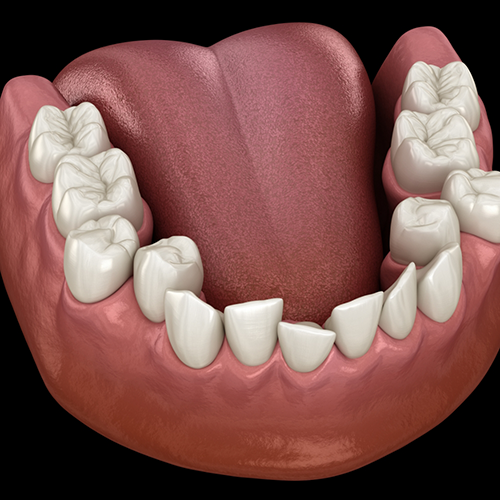
When your teeth are crooked and crowded, it makes them more difficult to clean, increasing your risk for gum disease, tooth decay, bad breath, and other oral health issues. Braces can shift your teeth in a way that allows each of them to have the space it needs to function optimally.
Gapped Teeth
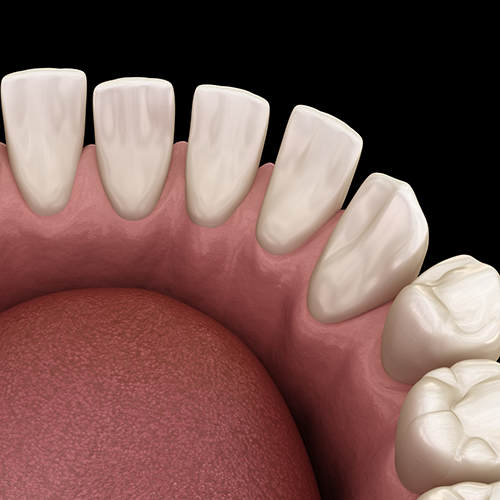
Large gaps between the teeth can adversely affect your appearance, leave your gums vulnerable to harm, and make it more challenging to consume certain foods. Braces may be able to move your teeth closer together so you can enjoy an improved bite and a lower risk of future oral health problems.
Benefits of Traditional Braces
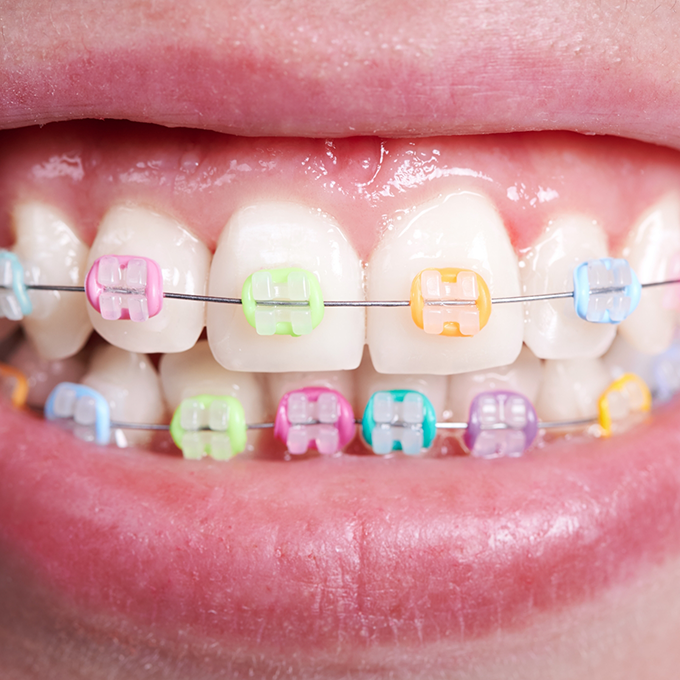
One fun benefit of getting traditional braces is the use of colored elastics! These fit around the brackets and can be altered during appointments at Chester County Dental Arts, allowing kids and teenagers to show off their personality. More neutral colors like white and gray are also available for adults who would like to maintain a subtler appearance.
Caring for Your Braces
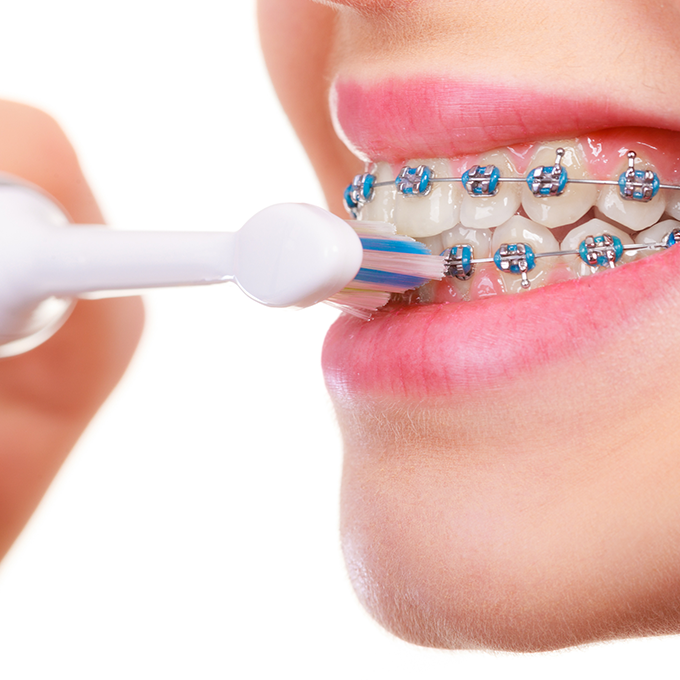
While your braces are in place, it is important to maintain your oral hygiene and attend regular appointments for checkups and adjustments. In addition, there are certain foods you will need to avoid to prevent damage to your teeth and the braces, like overly sticky foods and those that contain large amounts of sugar. When you first get your braces, our team will provide detailed instructions to help you enjoy successful and complication-free treatment.
Understanding the Cost of Traditional Braces
It is natural to assume that all patients who receive traditional braces pay the same price, but the truth is that different factors make this type of orthodontic treatment more or less expensive for some. Once Dr. Bruck and our team can evaluate your smile and build a treatment plan that meets the demands of your smile, we will provide a clearer picture of how much you can expect it to cost. But our efforts don’t stop there, as members of our administrative team will be happy to discuss payment options to help you stay within budget.
Factors That Affect the Cost of Traditional Braces
As part of your initial consultation with Dr. Bruck, you can expect that she will thoroughly examine your oral anatomy and build a plan that will bring your teeth and/or jaw into proper alignment. She will also compile various factors that will contribute to the cost estimate you will be provided with during your appointment. These might include:
- Your age - The extent of treatment will likely be different depending on whether you are a teenager or an adult. Adults have more established jawbones that are fully developed, which can require more time for proper movement.
- The type of orthodontic problem that is present – Whether it is crooked or gapped teeth or a misaligned bite, the severity of the issue will be considered.
- How long you’ll need braces – The timeline for treatment will ultimately be factored into the cost because of the necessary dental appointments required along the way.
- Additional orthodontic appliances – If we find that you need a palate expander, rubber bands, headgear, or a retainer, this will be figured into the total amount.
Professional Braces vs. “DIY” Braces: Which Costs More?

If you are considering a do-it-yourself (DIY) solution for orthodontics, you may want to think twice. While there are plenty of them available on the market, luring patients into thinking that a straighter smile can be achieved without seeing an orthodontist or dentist, there are potential hazards that can occur along the way.
While you may save some money initially, you’ll likely need the help of a professional in the long run, which will only have you spending more. Some of the reasons to avoid DIY solutions include:
- The lack of permanent results, as you may not be recommended for a retainer once treatment is finished. This can cause your teeth to shift back to their original position.
- There is no professional oversight, so you may not be suitable for certain orthodontics, which can lead to tooth damage. Without seeing a professional, you may find that your smile ends up in worse shape than before.
- Initial cost savings might sound like a good idea; however, if problems develop, you’ll end up spending more, allowing a professional to address the issue.
Does Dental Insurance Cover Traditional Braces?

No two dental insurance policies are the same, so you’ll need to check your plan to see whether they offer coverage. Many companies require that you purchase a separate plan to cover orthodontics. If this is the situation you find yourself in, make sure to read the exclusions, as some insurers will only agree to pay for patients under a certain age or who are receiving a certain type of braces.
Generally, traditional metal brackets and wires are a form of treatment that many plans will cover partially or in full.
Options for Making Traditional Braces Affordable

Apart from traditional dental insurance, our team at Chester County Dental Arts is pleased to make orthodontic treatment an affordable option for our patients. We do this by partnering with CareCredit. With low and no-interest payment plans, you can align your budget with one of their available plans so that you can pay off your treatment over time instead of all up front.
Get Started Today
If you are ready to get a straight, healthy smile to restore your confidence, it is time to see if metal braces are the right option for you. Dr. Ronni Bruck will create a customized treatment plan to help you start your journey to a straight smile.
Contact Chester County Dental Arts today to schedule your orthodontic consultation.
Traditional Braces FAQs
Am I Too Old to Get Braces?
No, age is not a limiting factor for getting braces. Orthodontic treatment can be effective at any age as long as the teeth, gums, and jawbone are healthy. Adults may have more complex dental issues compared to children, but modern orthodontic techniques can address these effectively. However, treatment might take longer for adults due to denser bone tissue. A consultation with us can help us determine the best course of action for achieving a healthy, well-aligned smile, regardless of age.
Do Traditional Braces Hurt?
Traditional braces can cause some discomfort or soreness, especially after they are first applied and following adjustments. This discomfort is usually mild and temporary, often described as a feeling of pressure or tightness. Over-the-counter pain relievers can help manage this initial soreness. The braces themselves may also irritate the inside of the mouth, but orthodontic wax can be applied to minimize this. Most patients adjust to the sensation of braces within a few days to a week. Regular adjustments may cause brief discomfort, but overall, the process is generally manageable and not overly painful.
What Can You Not Eat with Traditional Braces?
With traditional braces, it's important to avoid certain foods to prevent damage and maintain oral hygiene. Hard foods like nuts, popcorn, and hard candies can break brackets or wires. Sticky foods such as gum, caramel, and toffee can get stuck in braces and are difficult to clean. Chewy foods like bagels and licorice can also cause issues. Additionally, avoid biting into hard items like apples or corn on the cob; instead, cut them into small pieces. Sugary and starchy foods should be limited as they can lead to plaque buildup around brackets, increasing the risk of tooth decay.
Can Traditional Braces Fix TMJ?
Traditional braces can help alleviate temporomandibular joint (TMJ) disorders if the condition is caused by misaligned teeth or an improper bite. By gradually moving teeth into their correct positions, braces can improve bite alignment, which may reduce strain on the TMJ and alleviate associated symptoms such as jaw pain, headaches, and difficulty chewing. However, braces are not a universal solution for all TMJ issues, as these disorders can have various causes, including arthritis or jaw injuries. A comprehensive evaluation with us is necessary to determine if braces are an appropriate treatment for a specific TMJ condition.