Schedule an
Appointment
Schedule an
Appointment
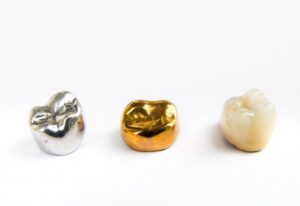
Getting a dental crown is a common procedure used to restore a damaged or weakened tooth. While the process itself is straightforward, understanding what to expect during recovery can help you stay comfortable and protect your new restoration.
What to Expect Right After the Procedure
After your dental crown is placed, it’s normal to experience some numbness for a few hours if local anesthesia was used. Once the numbness wears off, you may notice mild soreness or sensitivity, especially when biting or consuming hot and cold foods.
This discomfort is usually temporary and should improve within a few days.
Managing Sensitivity and Discomfort
Sensitivity is one of the most common side effects after getting a crown. This can occur because the tooth’s enamel has been reshaped or due to irritation of the surrounding tissues.
Using toothpaste designed for sensitive teeth can help reduce discomfort. Over-the-counter pain relievers like ibuprofen and acetaminophen may also be recommended if needed.
If sensitivity persists or worsens, it’s important to contact your dentist, as it could indicate an issue such as an improper fit or underlying tooth decay beneath the crown.
Eating After a Crown
It’s best to wait until the numbness has completely worn off before eating to avoid accidentally biting your cheek or tongue.
For the first day or two, stick to softer foods and avoid chewing on the side of the new crown. Hard, sticky, or crunchy foods should be avoided initially, as they can place stress on the crown or cause discomfort.
Once your mouth adjusts, you can gradually return to your normal diet.
Caring for Your Crown
A dental crown should be cared for just like a natural tooth. Brush twice daily and floss regularly to keep the area clean and free of plaque.
Pay special attention to the gumline around the crown, as bacteria can accumulate there and lead to gum irritation or infection if not properly cleaned.
Watch for Warning Signs
While most crown recoveries are smooth, it’s important to monitor for any unusual symptoms. Contact your dentist if you experience:
- Persistent pain when biting.
- A loose or wobbly crown.
- Swelling that doesn’t improve.
- A noticeable change in how your teeth fit together.
These could be signs that your crown needs adjustment.
Getting Used to Your New Crown
It may take a few days to fully adjust to how your crown feels in your mouth. Initially, it might feel slightly different, but it should soon feel natural as you bite and chew.
Recovering from a dental crown is typically quick and manageable. With proper care and attention, your crown can last for many years while restoring both the function and appearance of your tooth. By following your dentist’s instructions and maintaining good oral hygiene, you can enjoy a strong, healthy smile with your new crown.
About the Practice
Looking to repair and protect your damaged tooth? Chester County Dental Arts features high-quality, long-lasting restorations to give you your smile back. We have a variety of materials available, as well as a caring and compassionate dental team who will treat you like family. We value our relationships, and we’ll treat you the same, too. Book online or call our Thorndale office at (610) 383-1600.