Schedule an
Appointment
Schedule an
Appointment
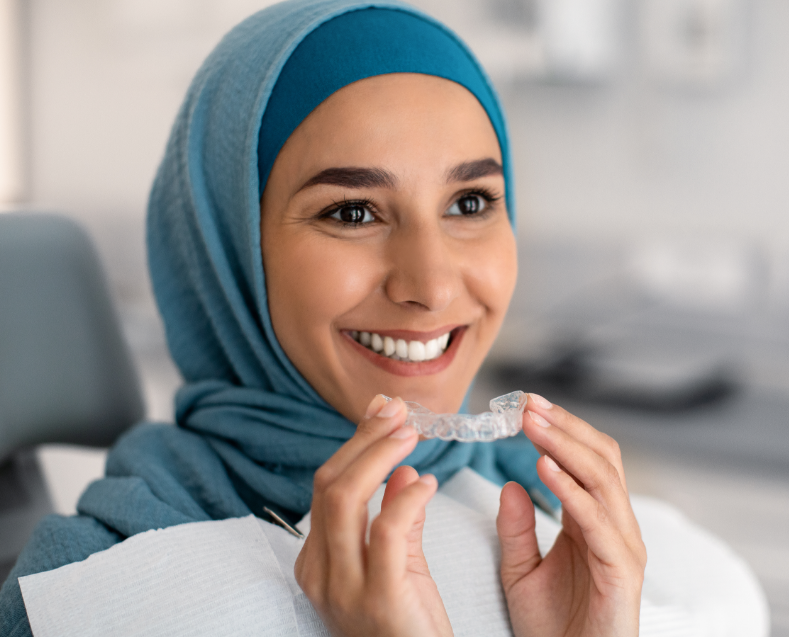
Invisalign has transformed orthodontic treatment by offering a comfortable, discreet, and convenient alternative to traditional braces. While it’s an excellent solution for many patients, it isn’t perfect for everyone. Like any dental treatment, Invisalign comes with potential complications. Understanding them can help you feel confident in your decision—and rest assured that your dentist will evaluate your case thoroughly before moving forward.
Discomfort and Soreness
Invisalign aligners gently shift your teeth into place, which may cause mild discomfort, especially when switching to a new set. Most soreness fades within a few days and can be managed with over-the-counter pain relievers. Compared to the tightening of metal braces, however, Invisalign discomfort tends to be much more manageable.
Irritation of Soft Tissues
Although aligners are smooth, the edges can sometimes irritate your cheeks or tongue. This usually improves as your mouth adjusts. If needed, your dentist can trim or smooth the aligners to make them more comfortable.
Compliance Challenges
Unlike braces, Invisalign only works when the aligners are worn consistently—ideally 20–22 hours per day. Forgetting to wear them or removing them too often can delay progress. Patients who feel they may not be consistent should discuss this with their dentist to see if Invisalign is still the best option.
Difficulty Speaking Initially
Some patients experience a slight lisp when they first start wearing aligners. This typically resolves within a few days as your tongue adjusts to the new appliances. Practicing speaking aloud can help speed up the process.
Increased Risk of Cavities or Gum Issues
Because aligners cover your teeth, bacteria can become trapped if you eat or drink anything besides water while wearing them. This may increase the risk of tooth decay, gum irritation, or bad breath. Maintaining excellent oral hygiene—brushing after meals, flossing daily, and rinsing your aligners—greatly reduces this risk.
Lost or Damaged Aligners
Aligners are clear and easily misplaced if not stored properly. Damaged or lost trays can interrupt treatment and sometimes require replacement. Using a designated storage case helps prevent accidents.
Not Ideal for All Cases
Severe misalignment, large gaps, or complex bite issues may require traditional braces instead of Invisalign. Your dentist will evaluate your unique needs to determine whether Invisalign can deliver the results you want.
Why Invisalign Is Still Worth It
Despite these potential complications, Invisalign remains one of the most effective and comfortable orthodontic solutions available. Its benefits often outweigh its risks, especially for patients who value a nearly invisible treatment, fewer office visits, and the convenience of removable aligners.
Most complications are mild, temporary, and easily managed with the guidance of your dentist. With proper care and good compliance, Invisalign can deliver excellent results that enhance both your smile and confidence.
Your dentist will thoroughly assess your oral health to ensure Invisalign is the right choice for you before treatment begins.
About the Practice
At Chester County Dental Arts, patients receive personalized orthodontic care designed to achieve beautiful, healthy smiles. Our experienced team evaluates each patient carefully to determine whether Invisalign is the best treatment option. Come visit us to learn more about your options.
Call us at (610) 383-1600 or request an appointment online.