Schedule an
Appointment
Schedule an
Appointment
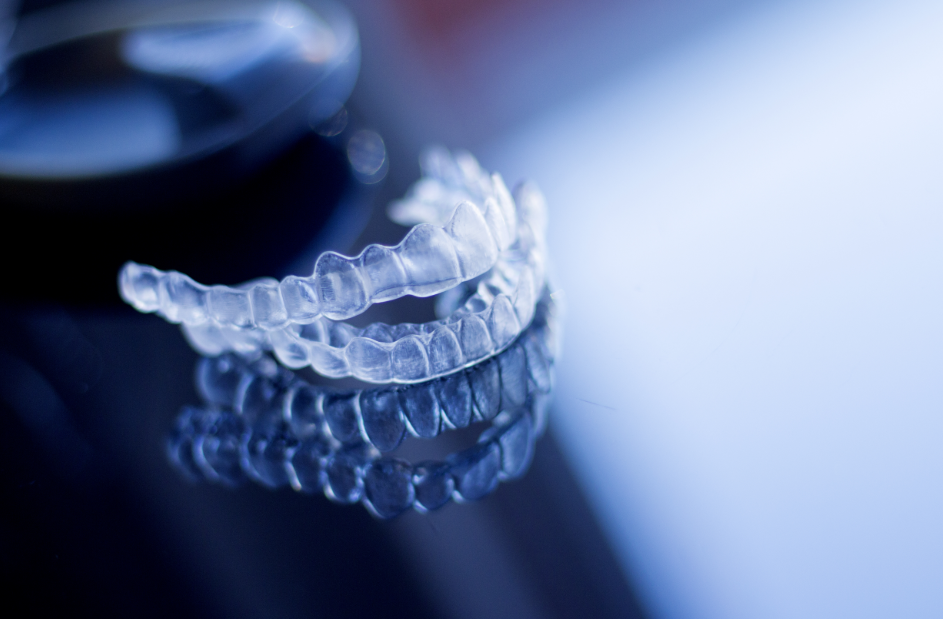
If you grind or clench your teeth, you may have wondered whether Invisalign is still an option for straightening your smile. After all, aligners are made to gently move your teeth, so can they handle the pressure created by bruxism?
The good news is that many people who grind their teeth can still be candidates for Invisalign. However, bruxism is an important factor for your dentist or orthodontist to consider when creating your treatment plan.
What Is Bruxism?
Bruxism is the medical term for grinding or clenching your teeth. It can happen while you’re awake or asleep, and some people may not even realize they’re doing it. Over time, repeated grinding can wear down the enamel, cause tooth sensitivity, contribute to cracks or chips, and lead to jaw discomfort.
Because bruxism can affect your oral health, it’s important to mention it during your Invisalign consultation. Your dental provider can examine your teeth and determine whether aligner treatment is appropriate for you.
Can Invisalign Hold Up to Teeth Grinding?
Invisalign aligners are made from durable plastic and are designed to withstand the everyday forces involved in wearing them. In some cases, wearing aligners may also provide a layer of protection between the upper and lower teeth, potentially reducing direct tooth-to-tooth contact while the aligners are in place.
However, Invisalign aligners aren’t specifically designed to treat severe bruxism or replace a dedicated nightguard. Significant grinding can put additional stress on the aligners and may contribute to cracking, distortion, or faster wear.
If you grind your teeth heavily, your dentist may recommend additional strategies to protect your teeth and aligners throughout treatment.
Can Invisalign Help Protect Your Teeth?
One potential benefit of wearing Invisalign while grinding is that the aligners create a barrier between your teeth. Instead of your natural enamel rubbing directly against opposing enamel, the aligner material is positioned between them.
That doesn’t mean Invisalign will stop bruxism itself. You may still clench or grind while wearing your aligners, and the underlying cause of your bruxism may need to be addressed separately.
It’s also important to follow your provider’s instructions. If your aligners become cracked, damaged, or unusually worn, let your dental provider know rather than continuing to wear a compromised aligner.
What If I Grind My Teeth at Night?
Nighttime grinding can be especially difficult to recognize because it happens while you’re asleep. Signs can include morning jaw soreness, headaches, tooth sensitivity, flattened or worn teeth, or frequent damage to dental restorations.
Your dentist can look for these signs during routine exams and discuss ways to manage bruxism while you straighten your teeth. Depending on your individual situation, treatment may include stress-management strategies, addressing contributing dental issues, or using a protective appliance when appropriate.
Talk to Your Dentist Before Starting Treatment
Grinding your teeth doesn’t automatically rule out Invisalign. The key is making sure your dental provider understands your bruxism so they can evaluate your teeth and recommend the safest approach for your smile.
With the right plan and regular monitoring, you may be able to work toward a straighter smile while also protecting your teeth. A healthy smile is worth protecting at every stage of treatment.
About the Practice
Chester County Dental Arts provides comprehensive dental care for patients looking to maintain and improve their oral health. The practice offers Invisalign treatment as part of its dental services, helping patients explore options for achieving a straighter, healthier-looking smile. The dental team takes an individualized approach to treatment and can evaluate factors such as teeth grinding when determining whether Invisalign is appropriate.
Call us at (610) 383-1600 or schedule your appointment online.